Plurality Network
About Business
Open Context Layer (OCL) is a decentralized, user-owned memory infrastructure for AI applications. It allows individuals to control their digital context, including preferences, history, identity, and metadata, across platforms. This enables AI agents and apps to deliver personalized, seamless experiences while maintaining privacy.
By separating context from any single application or AI platform, OCL eliminates data silos and vendor lock-in, giving users actual ownership of their information. It powers interoperable, privacy-preserving ecosystems that work across the internet.
Key Features and Capabilities
- User-Owned Context: Individuals have full control over their data, deciding what to share, when, and with whom.
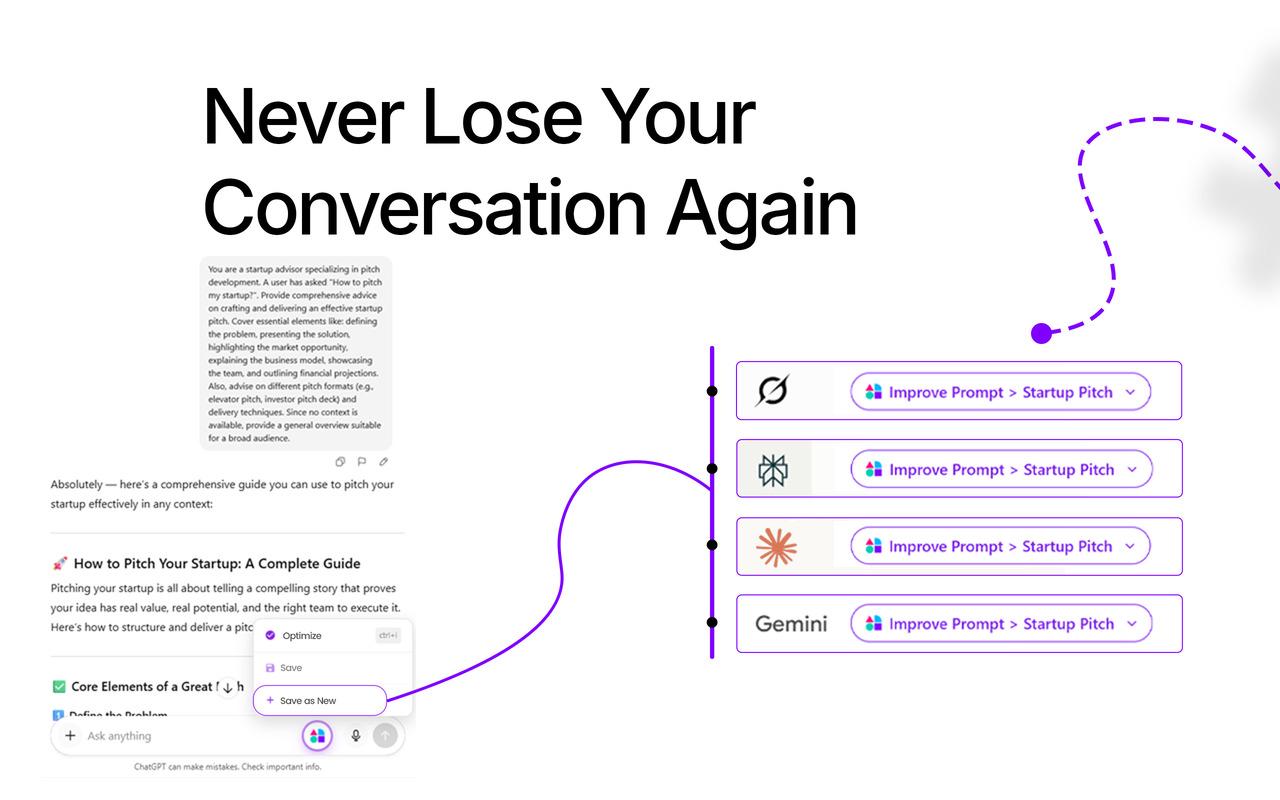
- Interoperable Memory: Context can be accessed and used by AI agents, apps, and services across platforms without redundancy.
- Privacy-Preserving: Data is encrypted and shared only with explicit, revocable consent.
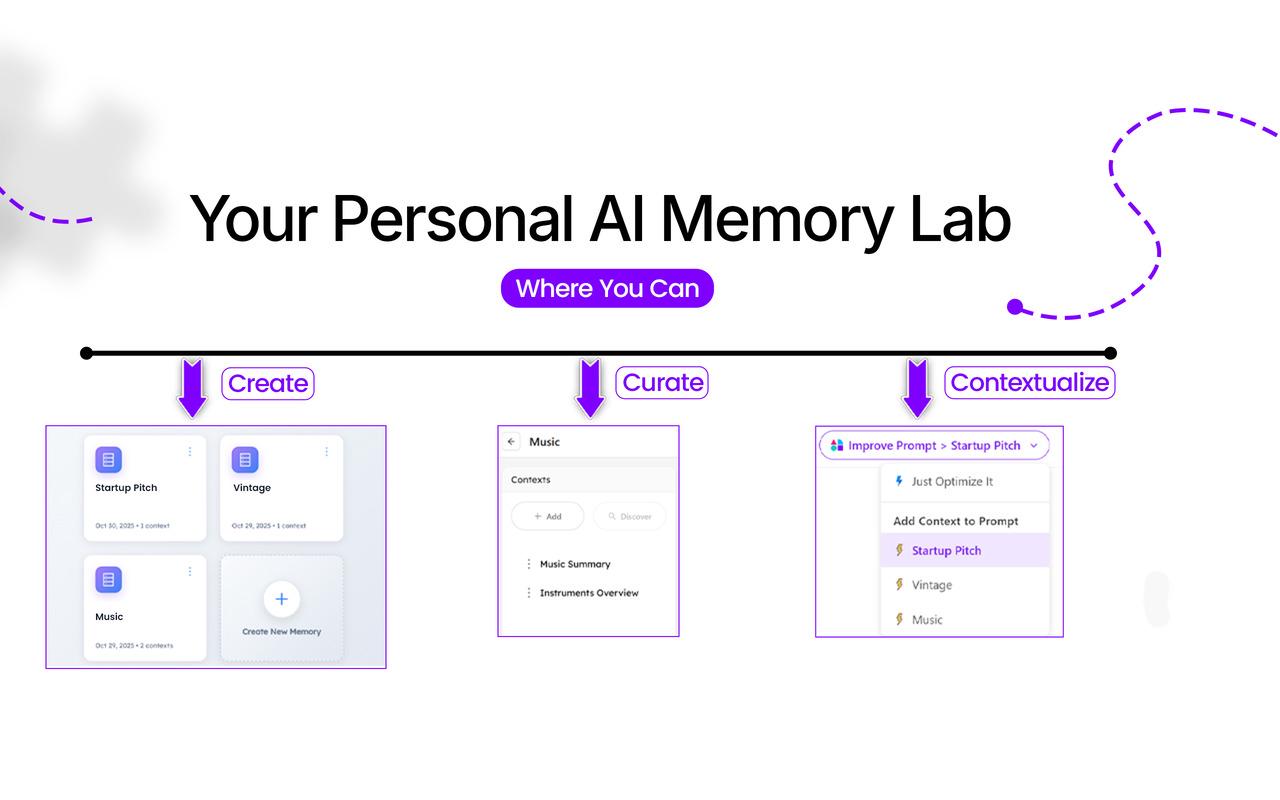
- Smart Context Vaults: Users can organize context into multiple buckets for work, personal life, creative projects, or other categories.
- Developer-Friendly: APIs, SDKs, and MCP Servers allow easy integration into apps, enabling AI agents to read and write context seamlessly.
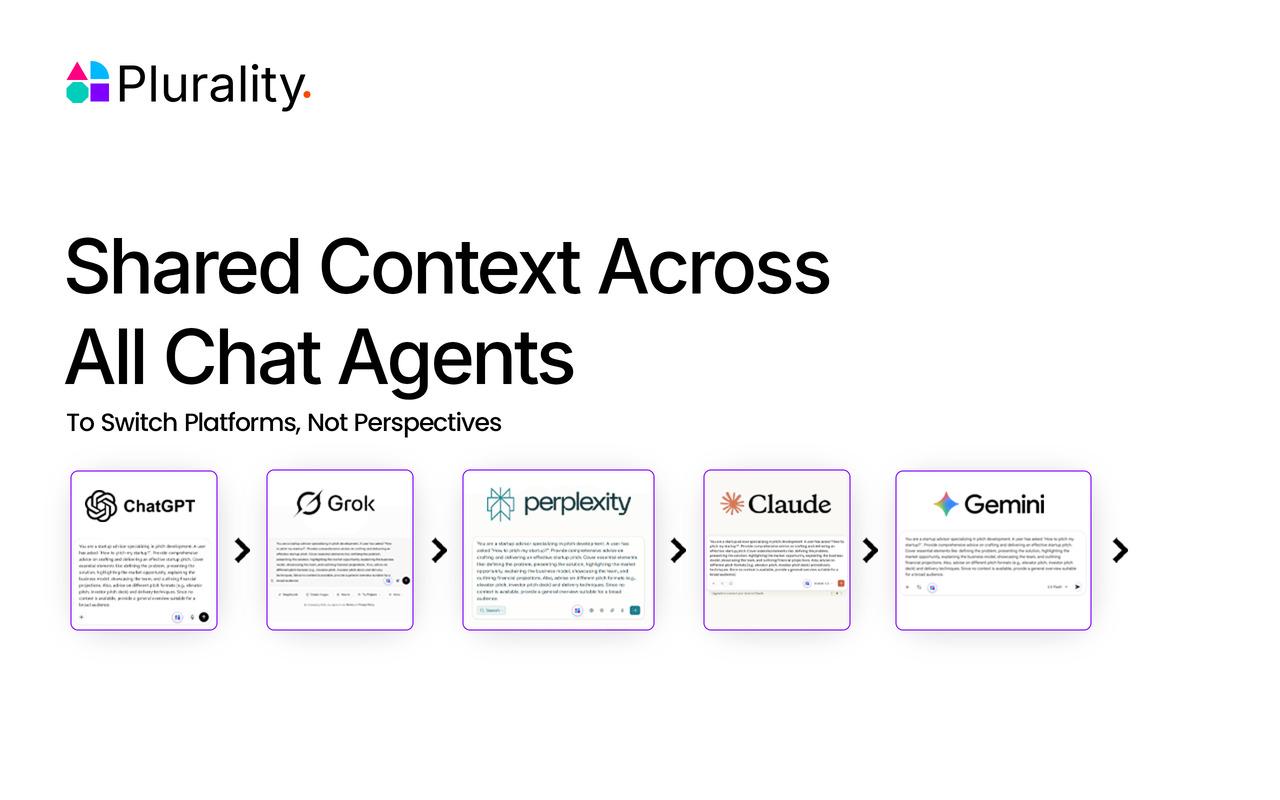
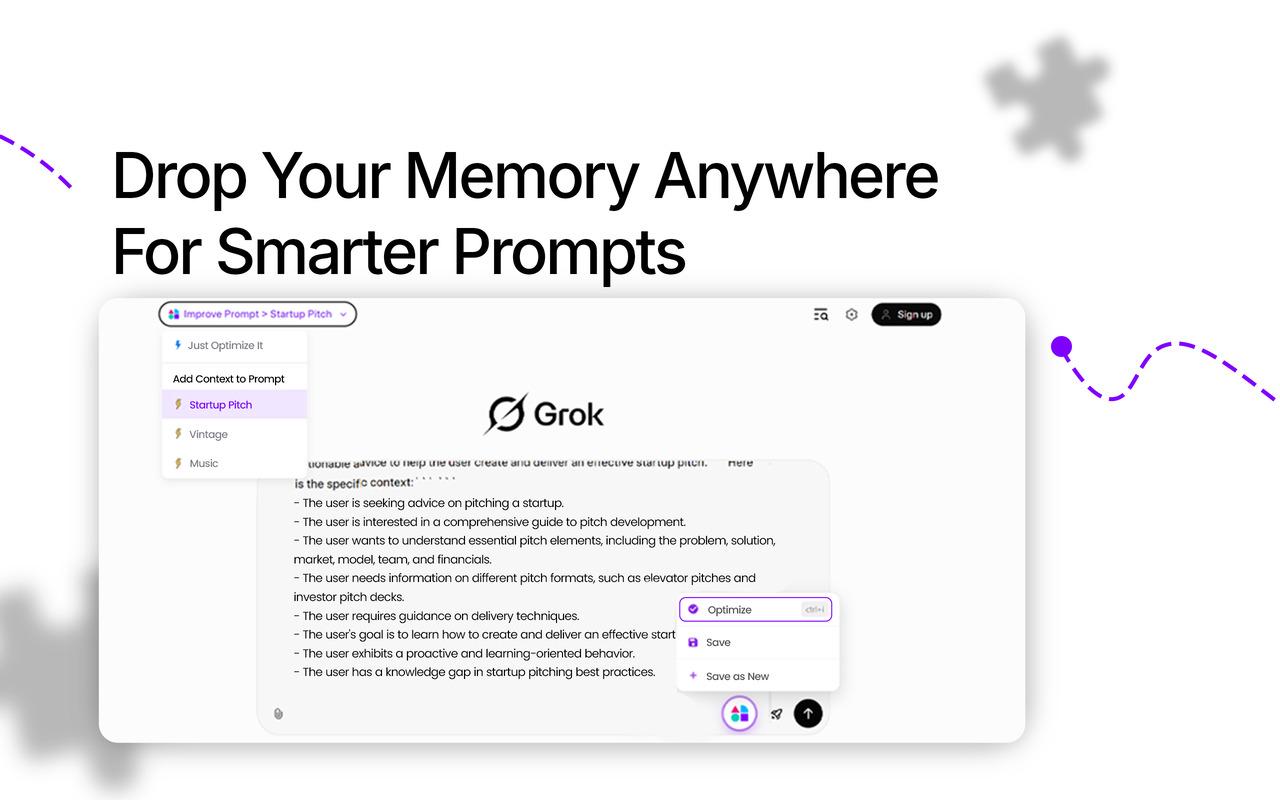
- User-Friendly: Works everywhere. Users can leverage their own context across apps, major AI platforms, or local LLMs with minimal effort using our browser extension, AI Context Flow.
- Works Everywhere: Use your own context across apps, big tech AI platforms, or local LLMs.
Why It Matters
- Solves the cold-start problem for AI by providing pre-existing, rich user context, helping users avoid repetitive context entry across platforms. Saves time and increases productivity.
- Breaks data silos, allowing apps to deliver personalized experiences without hoarding user data.
- Ensures privacy and security while enabling context portability across platforms.
Plurality Network Gallery